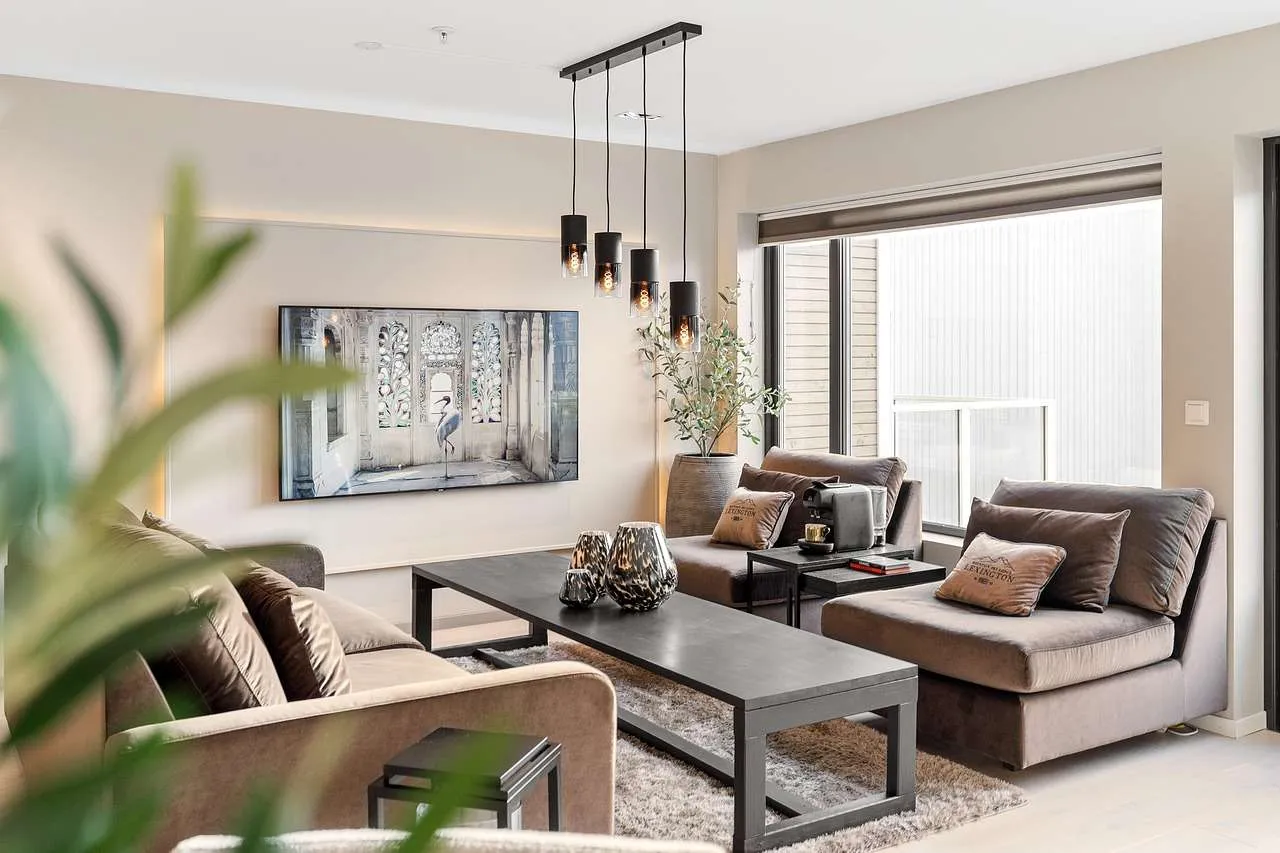
Home Window Tinting: Benefits, Types & Tips
Home window tinting is a practical upgrade that improves comfort, reduces energy use, and protects interiors from sun damage. By applying a film to your windows, you can manage heat, glare, and privacy without sacrificing natural light. This guide covers what home window tinting is, the main benefits, the most common tint types, how to choose, and what to expect from installation and costs. Whether you're updating a single room or your whole house, understanding tint options helps you make an informed decision that stands the test of time.
What is Home Window Tinting?
Window tinting uses a thin layer of film applied to the interior surface of glass. Films come in varying densities and materials that reject heat and block UV rays while maintaining visibility. Quality tinting should be installed by a professional to ensure even coverage, proper adhesion, and a warranty. Many jurisdictions have regulations about window tint darkness and reflectivity, so check local rules before purchasing.
Benefits of Home Window Tinting
Installing tinted film on your windows offers multiple advantages that affect comfort, health, and savings:
- Energy efficiency: Rejected solar heat reduces cooling loads in summer and can help regulate indoor temperatures year-round.
- UV protection: Most films block up to 99% of harmful UV rays, protecting furnishings and skin.
- Privacy and glare control: Tinting lowers visibility from outside while reducing glare on screens and between rooms.
- Safety and security: Safety and security films hold glass fragments together, reducing risk during break-ins or storms.
- Preservation of interiors: Slowing fading of furniture, carpets, and artwork extends their life.
Common Tint Types
Different tint types suit different priorities. Here are the most common choices:
Dyed Tint
Dyed films are affordable and provide good daytime privacy. They offer moderate heat rejection but wear over time and can fade with sun exposure. Ideal for budget-conscious projects.
Metalized Tint
Metalized films reflect heat effectively and offer strong glare reduction. However, they can interfere with some electronic signals (cellular, GPS) and may require professional installation to avoid uneven layering.
Ceramic Tint
Ceramic films use non-conductive particles to deliver excellent heat rejection, superior UV blocking, and clear visibility. They are among the most durable and performance-focused options, with minimal interference to electronics.
Carbon Tint
Carbon films reduce solar heat and glare with a non-reflective finish. They provide a balanced performance, good aesthetics, and typically lower likelihood of signal interference compared to metalized options.
How to Choose the Right Tint
Choosing the right tint depends on climate, room function, and budget. Consider:
- Heat rejection needs: Hot climates benefit from high-heat-rejection films like ceramic or carbon.
- UV protection: If fading is a primary concern, prioritize UV-blocking capabilities.
- Privacy vs. visibility: Higher tint density improves privacy but reduces outside visibility, especially at night.
- Regulations: Check local laws for permissible darkness and reflectivity levels.
- Warranty and durability: Look for manufacturer warranties and reputable installer guarantees.
Professional Installation vs DIY
Professional installation ensures consistent coverage, proper edge sealing, and reliable warranties. Pros use precision squeegees and heat guns to avoid air bubbles and guide films along curved frames. DIY kits exist, but margins for error are higher, especially on large or irregularly shaped windows. If you value long-term performance and seamless aesthetics, hiring a licensed installer is the safer choice.
Cost and Return on Investment
Costs vary by film type, window size, and labor. Typical residential projects range from $5 to $12 per square foot installed, with total costs often between $400 and $1,500 for a standard home. While ceramic and carbon films command higher prices, they usually offer better heat rejection and longer lifespans, accelerating payback through energy savings. ROI depends on local climate, energy rates, and the occupied space’s use—sunrooms, living areas, and south-facing windows tend to yield the greatest savings.
Comparison of Tint Types
Use the table below to compare common tint types at a glance:
| Tint Type | Heat Rejection | UV Rejection | Glare Reduction | Install Difficulty | Signal Interference | Estimated Cost |
|---|---|---|---|---|---|---|
| Dyed Tint | Low to Moderate | High | Moderate | Easy | None | $3-$6 per sq ft |
| Metalized Tint | High | High | High | Moderate | Possible interference | $6-$9 per sq ft |
| Ceramic Tint | Very High | Very High | High | Moderate | None | $8-$12 per sq ft |
| Carbon Tint | High | High | Moderate | Moderate | None | $6-$9 per sq ft |
When selecting a service provider, look for installers with licenses, certifications, and comprehensive warranties. Ask for before-and-after photos, a written estimate, and a demonstration of the tinted film under different lighting. A reputable professional will discuss local regulations, offer a performance warranty, and provide maintenance guidelines to maximize film life.
Maintenance tips: Clean gently with a soft cloth and a mild soap solution. Avoid abrasive cleaners, and never use dry cloths that can scratch the film. Routine inspection can catch edge lift or bubbling early, allowing timely repair or reinstallation if needed.
Conclusion, home window tinting blends comfort, protection, and efficiency. By understanding tint types, regulatory considerations, and installation options, you can select a film that fits your climate and budget while preserving the view and interior aesthetics. A reputable installer, proper film choice, and thoughtful maintenance will deliver long-lasting benefits for your living spaces.
Conclusion, this guide covered the definition of home window tinting, its key benefits, the main tint types, how to choose the right film, installation considerations, cost ranges, and a practical comparison table to aid decision-making. With careful planning, you can enhance energy efficiency, protect interiors, and enjoy improved privacy and comfort for years to come.